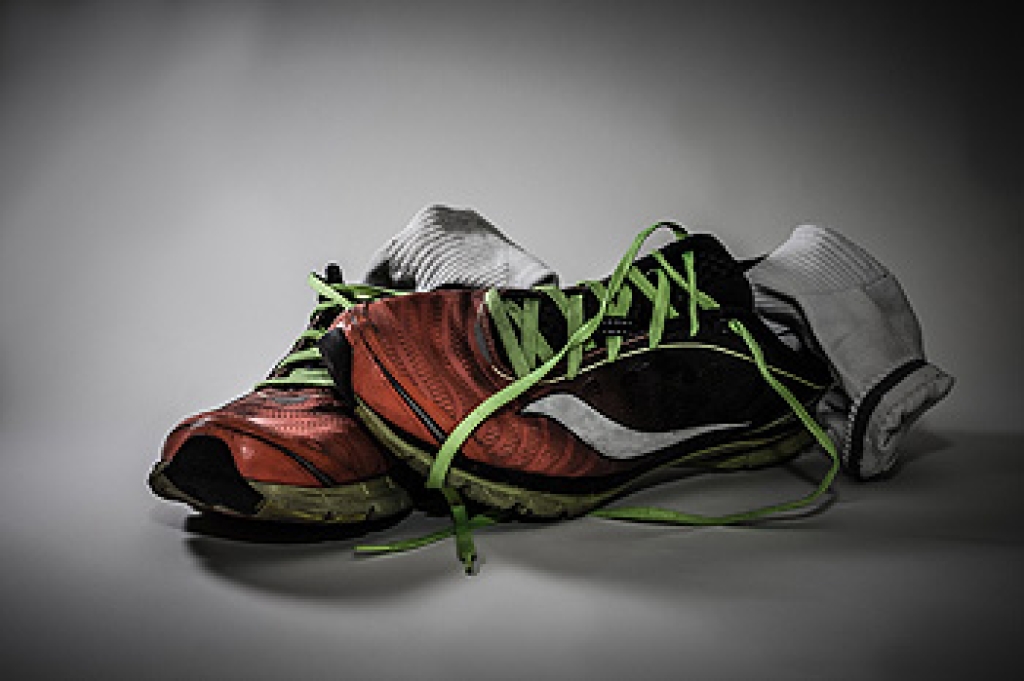
Choosing the right running shoe starts with finding a fit that matches the shape and size of your foot. Length, width, and depth all matter when selecting shoes for running. There should be about 1 to 1.5 centimeters between your longest toe and the end of the shoe. The toe box should also be wide and deep enough for your toes. Feet change shape when standing, so fit should be checked in that position.
A running shoe should provide support without being too flexible through the middle of the sole. If this area bends too easily, the foot has to work harder. Some flexibility near the front of the shoe helps the big toe move as the foot pushes forward. Shock absorption is also important because running places repeated forces through the feet. Laces, straps, or another adjustable fastening can help keep the shoe secure. A removable footbed can be useful for runners who use an orthotic or custom insert. The shoe should also be suited to the surface and type of running activity.
A podiatrist can help runners choose shoes that match their foot structure and movement patterns. An evaluation can examine foot shape, gait, and areas that receive extra pressure. A podiatrist can also determine whether an orthotic could improve support or whether certain shoe features are better suited to the runner’s needs. Shoes that fit poorly or lack proper support can contribute to foot strain and pain. Persistent or recurring discomfort deserves evaluation, especially when it affects running. Proper shoe selection can support comfort, reduce unnecessary strain, and help runners move more efficiently. If you have symptoms of running-related foot pain, it is suggested that you schedule an appointment with a podiatrist for a diagnosis and appropriate treatment.
If you are a runner, wearing the right running shoe is essential. For more information, contact one of our podiatrists from Complete Foot & Ankle Specialists, LLC. our doctors can provide the care you need to keep you pain-free and on your feet.
Choosing the Right Running Shoe for Your Foot Type
To increase performance and avoid the risk of injury, it is important to choose the right running shoe based on your foot type. The general design of running shoes revolves around pronation, which is how the ankle rolls from outside to inside when the foot strikes the ground.
- Neutral runners are able to choose from a wide variety of shoes, including minimalist shoes or even going barefoot.
- Runners who overpronate, or experience an over-abundance of ankle rolling, should choose shoes that provide extra motion control and stability.
- Runners who underpronate, or supinate, have feet that have high arches and lack flexibility, preventing shock absorption. They require shoes with more flexibility and cushion.
If you have any questions, please feel free to contact our offices located in Bellefontaine, OH and Springfield, OH . We offer the newest diagnostic and treatment technologies for all your foot care needs.
