
The Connection Between Cracked Heels and Diabetes

Cracked heels, a common issue for diabetics, are often caused by dry skin, reduced circulation, and nerve changes that decrease the ability to feel early symptoms. The heels may look thickened, flaky, or split with visible fissures, and they may feel sore, tight, or tender when standing or walking. In some cases, the cracks can deepen and increase the risk of infection, especially when blood flow is compromised. Symptoms include redness, swelling, and difficulty bearing weight, while causes often involve pressure from standing, open backed footwear, and reduced skin moisture. A podiatrist can assist by assessing sensation, circulation, and skin integrity, followed by a clear diagnosis and a personalized care plan. Treatment options include regular debridement of thick skin, protective dressings, footwear advice, and orthotic support to reduce pressure on vulnerable areas. If you have diabetes and are dealing with painful cracked heels, it is suggested that you make an appointment with a podiatrist.

Diabetic foot care is important in preventing foot ailments such as ulcers. If you are suffering from diabetes or have any other concerns about your feet, contact one of our podiatrists from Complete Foot & Ankle Specialists, LLC. our doctors can provide the care you need to keep you pain-free and on your feet.

Diabetic Foot Care

Diabetes affects millions of people every year. The condition can damage blood vessels in many parts of the body, especially the feet. Because of this, taking care of your feet is essential if you have diabetes, and having a podiatrist help monitor your foot health is highly recommended.

The Importance of Caring for Your Feet

  • Routinely inspect your feet for bruises or sores.
  • Wear socks that fit your feet comfortably.
  • Wear comfortable shoes that provide adequate support.

Patients with diabetes should have their doctor monitor their blood levels, as blood sugar levels play such a huge role in diabetic care. Monitoring these levels on a regular basis is highly advised.

It is always best to inform your healthcare professional of any concerns you may have regarding your feet, especially for diabetic patients. Early treatment and routine foot examinations are keys to maintaining proper health, especially because severe complications can arise if proper treatment is not applied.

If you have any questions, please feel free to contact our offices located in Bellefontaine, OH and Springfield, OH . We offer the newest diagnostic and treatment technologies for all your foot care needs.

Read more about How to Care for Diabetic Foot

Stretches That Can Ease Tendinitis in the Foot

Peroneal tendinitis involves irritation of the two peroneal tendons that run behind the outer ankle and attach to the side of the foot. This irritation, which develops from repeated strain, is common among runners and endurance athletes. When the peroneal tendons become irritated, the outer foot and ankle can feel sore and stiff. Gentle stretching helps maintain motion while reducing tightness in the surrounding tissues. A towel stretch, a standing calf stretch, and controlled inward and outward foot movements keep the ankle flexible and support healthier tendon function. These stretches also help reduce pressure on the tendons and improve comfort as the foot heals. With proper rest and conservative management, this condition often improves without surgery, but guidance is helpful. A podiatrist can explain which stretches are safe and recommend further care. If you are experiencing symptoms of peroneal tendinitis, it is suggested that you make an appointment with a podiatrist for a diagnosis and treatment.

Stretching the feet is a great way to prevent injuries. If you have any concerns with your feet consult with one of our podiatrists from Complete Foot & Ankle Specialists, LLC. our doctors will assess your condition and provide you with quality foot and ankle treatment.

Stretching the Feet

Stretching the muscles in the foot is an important part in any physical activity. Feet that are tight can lead to less flexibility and make you more prone to injury. One of the most common forms of foot pain, plantar fasciitis, can be stretched out to help ease the pain. Stretching can not only ease pain from plantar fasciitis but also prevent it as well. However, it is important to see a podiatrist first if stretching is right for you. Podiatrists can also recommend other ways to stretch your feet. Once you know whether stretching is right for you, here are some excellent stretches you can do.

  • Using a foam roller or any cylindrical object (a water bottle or soda can will do), roll the object under your foot back and forth. You should also exert pressure on the object. Be sure to do this to both feet for a minute. Do this exercise three times each.
  • Similar to the previous one, take a ball, such as a tennis ball, and roll it under your foot while seated and exert pressure on it.
  • Grab a resistance band or towel and take a seat. If you are using a towel, fold it length wise. Next put either one between the ball of your foot and heel and pull with both hands on each side towards you. Hold this for 15 seconds and then switch feet. Do this three times for each foot.
  • Finally hold your big toe while crossing one leg over the other. Pull the toe towards you and hold for 15 seconds. Once again do this three times per foot.

It is best to go easy when first stretching your foot and work your way up. If your foot starts hurting, stop exercising and ice and rest the foot. It is advised to then see a podiatrist for help.

If you have any questions please contact our offices located in Bellefontaine, OH and Springfield, OH . We offer the newest diagnostic and treatment technologies for all your foot and ankle needs.

Read more about How to Stretch Your Feet

Do Your Child's Feet Hurt?

Have your child's feet been examined lately? Healthy feet are happy feet. If your child is complaining of foot pain, it may be a sign of underlying problems.

Complications of Athlete’s Foot

Athlete’s foot is a frequent fungal infection that usually begins between the toes but can spread if left untreated. When the skin cracks or peels, bacteria can enter, leading to secondary infections that may cause redness, swelling, and pain. In severe cases, these infections can spread to the toenails, resulting in thickened, discolored nails that are difficult to treat. For people with diabetes or poor circulation, untreated athlete’s foot can cause serious complications, including ulcers or cellulitis, a deep skin infection that may require antibiotics. The condition can also spread to the hands or other areas of the body through scratching or contaminated surfaces. Keeping feet clean and dry, changing socks regularly, and using antifungal treatments early can help prevent these complications. If your symptoms persist or worsen, it is suggested you see a podiatrist for diagnosis and appropriate treatment.

Athlete’s foot is an inconvenient condition that can be easily reduced with the proper treatment. If you have any concerns about your feet and ankles, contact one of our podiatrists from Complete Foot & Ankle Specialists, LLC.  our doctors will treat your foot and ankle needs.

Athlete’s Foot: The Sole Story

Athlete's foot, also known as tinea pedis, can be an extremely contagious foot infection. It is commonly contracted in public changing areas and bathrooms, dormitory style living quarters, around locker rooms and public swimming pools, or anywhere your feet often come into contact with other people.

Solutions to Combat Athlete’s Foot

  • Hydrate your feet by using lotion
  • Exfoliate
  • Buff off nails
  • Use of anti-fungal products
  • Examine your feet and visit your doctor if any suspicious blisters or cuts develop

Athlete’s foot can cause many irritating symptoms such as dry and flaking skin, itching, and redness. Some more severe symptoms can include bleeding and cracked skin, intense itching and burning, and even pain when walking. In the worst cases, Athlete’s foot can cause blistering as well. Speak to your podiatrist for a better understanding of the different causes of Athlete’s foot, as well as help in determining which treatment options are best for you.

If you have any questions please feel free to contact our offices located in Bellefontaine, OH and Springfield, OH . We offer the newest diagnostic and treatment technologies for all your foot and ankle needs.

Read more about How to Deal with Athlete's Foot

Causes of Swollen Ankles in the Elderly

Swollen ankles are a common concern among older adults and can result from various underlying conditions. Arthritis can cause inflammation and stiffness in the ankle joint, while past ankle injuries may lead to chronic swelling and discomfort. Gout, a type of arthritis caused by uric acid buildup, often leads to painful swelling around the ankle and foot. Additionally, edema, or fluid retention, can also occur due to circulation issues or other health conditions. A podiatrist can evaluate the cause of ankle swelling, provide targeted treatment, and recommend exercises or footwear to improve mobility and comfort. If you are experiencing swollen ankles, it is suggested that you consult a podiatrist who can provide effective relief and treatment solutions.

Swollen feet can be a sign of an underlying condition. If you have any concerns, contact one of our podiatrists of Complete Foot & Ankle Specialists, LLC. our doctors can provide the care you need to keep you pain-free and on your feet.

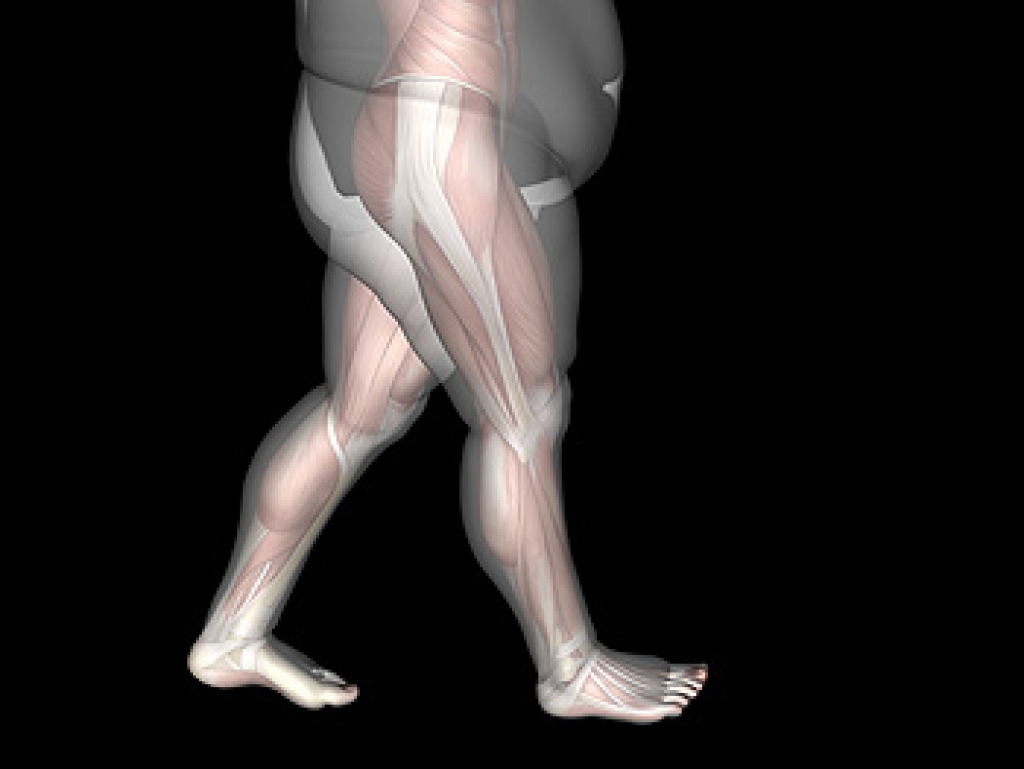
Swollen feet are a common ailment among pregnant women and people who stand or sit for extended periods. Aging may increase the possibility of swollen feet and patients who are obese often notice when their feet are swelling too. There may be medical reasons why swollen feet occur:

  • Phlebitis - A condition that causes the veins to become inflamed and can also cause leg pain.
  • Liver disease - This may lead to low blood levels of albumin which is a protein. This can cause fluid in the blood to pass into the tissues and several areas of the body can become swollen.
  • Heart failure - When the heart doesn’t pump properly the blood that is normally pumped back to the heart can pool in the veins of the legs causing swollen feet.
  • Kidney disease - One of the main functions of the kidneys is releasing excess fluid in the body. This type of condition can make it difficult for the kidneys to function properly, and as a result the feet may become swollen.
  • Deep-vein thrombosis (DVT)- This is a serious condition where blood clots form in the veins of the legs. They can block the return of blood from the legs to the heart which may cause the feet to swell. It is important to be treated by a podiatrist if this condition is present.

Swollen feet can also be caused by bone and tendon conditions, including fractures, arthritis, and tendinitis. Additionally, there may be skin and toenail conditions and an infection may cause the feet to swell. Patients who take medicine to treat high blood pressure may be prone to getting swollen feet. 

Many patients elevate their feet to help relieve the swelling and this is generally a temporary remedy. When a podiatrist is consulted the reason behind the swelling can be uncovered and subsequently treated.

If you have any questions please contact our offices located in Bellefontaine, OH and Springfield, OH . We offer the newest diagnostic and treatment technologies for all your foot and ankle needs.

Read more about Swelling of the Feet

Connect With Us

scroll to top