Foot or ankle pain can negatively affect your day-to-day life and can occur due to several different conditions. Pain can also be an indicator of a more serious underlying condition, which is why you should seek professional help as soon as you notice any abnormalities in your feet.
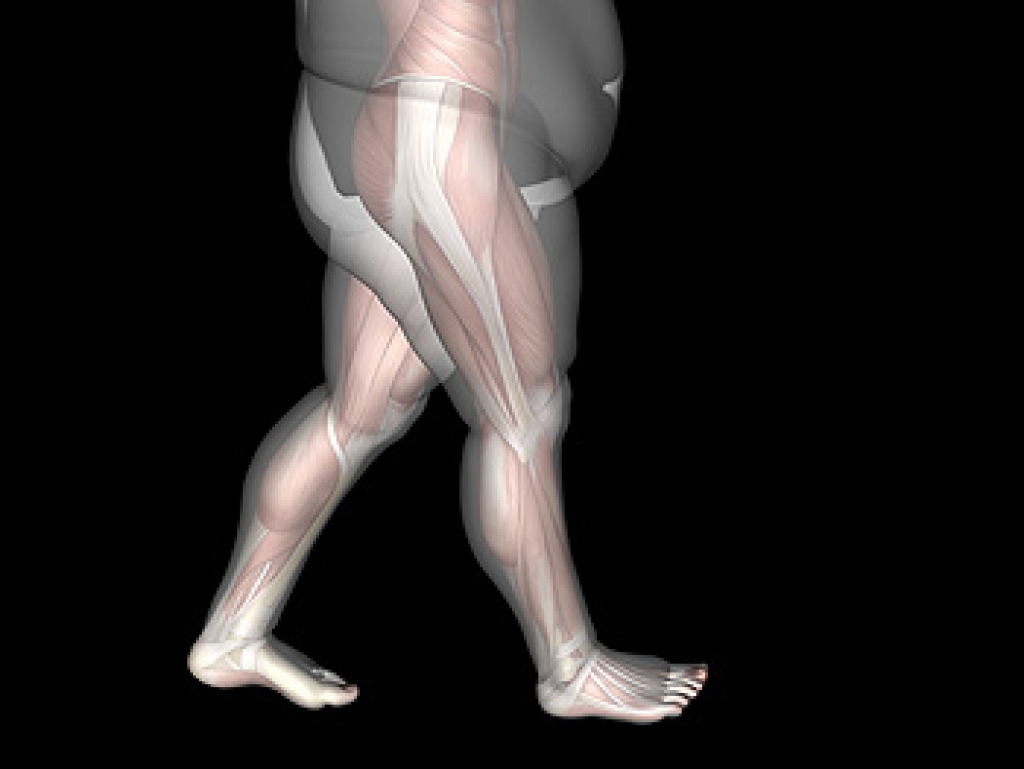
Running can improve heart health, endurance, and confidence, but running when overweight places greater force on the feet and ankles with each step. This does not mean that an overweight person should not run. A careful start can reduce strain and make this exercise more comfortable. Begin with short sessions that alternate brisk walking and easy running. Choose a flat, predictable surface rather than steep hills or uneven trails. Increase distance or speed gradually, but avoid raising both during the same week. Pain that changes your stride, causes swelling, or remains after a run deserves attention.
Proper running shoes are important because they help absorb impact and keep the feet stable. Shoes should fit the length and width of the foot without squeezing the toes or allowing the heel to slide. Replace shoes when the cushioning or tread becomes worn. Moisture-wicking socks can help limit blisters. A pre-run warmup prepares the muscles and joints for activity. Keep the pace slow enough to speak in short sentences, and schedule recovery days between runs. Stop running if sharp pain, dizziness, or unusual shortness of breath develops.
A podiatrist can examine the feet, ankles, and walking pattern before a new running program begins. The doctor can identify flat feet, limited joint movement, or areas under excess pressure. This evaluation can reveal problems that raise the chance of heel pain, tendon injuries, or stress fractures. A podiatrist can also recommend running shoes based on foot shape and gait. Custom orthotics can improve alignment and distribute pressure more evenly when appropriate. For an injury, the podiatrist can order imaging, explain activity limits, and create a plan for returning to running. Regular follow-up visits allow the doctor to check progress and adjust recommendations as mileage increases. If you are overweight and have developed foot pain while running, it is suggested that you schedule an appointment with a podiatrist for effective relief and guidance tips.
There are a lot of mistakes a runner can make prior to a workout that can induce injury. A lot of athletes tend to overstretch before running, instead of saving those workouts for a post-run routine. Deep lunges and hand-to-toe hamstring pulls should be performed after a workout instead of during a warmup. Another common mistake is jumping into an intense routine before your body is physically prepared for it. You should try to ease your way into long-distance running instead of forcing yourself to rush into it.
More Tips for Preventing Injury
Incorporate Strength Training into Workouts - This will help improve the body’s overall athleticism
Improve and Maintain Your Flexibility – Stretching everyday will help improve overall performance
“Warm Up” Before Running and “Cool Down” Afterward – A warm up of 5-10 minutes helps get rid of lactic acid in the muscles and prevents delayed muscle soreness
Cross-Training is Crucial
Wear Proper Running Shoes
Have a Formal Gait Analysis – Poor biomechanics can easily cause injury
If you have any questions, please feel free to contact our offices located in Bellefontaine, OHand Springfield, OH. We offer the newest diagnostic and treatment technologies for all your foot care needs.
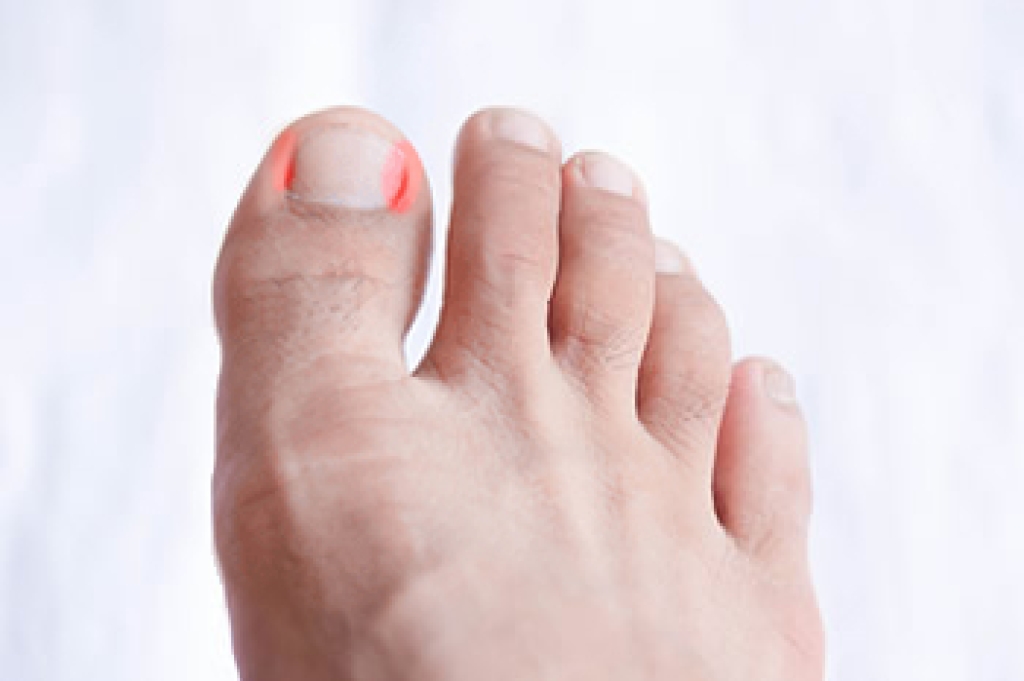
An ingrown toenail develops when the edge of a toenail grows into or presses against the surrounding skin. The big toe is affected most frequently, although the problem can occur on other toes. Pressure from shoes that are too tight, an injury, or the natural shape of the nail contribute to an ingrown toenail. Cutting the nail too short or rounding its corners also encourages the nail edge to press into the skin. Symptoms include pain, redness, and swelling along the side of the nail. The area may become sensitive when pressure is placed on the toe. An ingrown toenail also can become infected, leading to increased swelling or drainage around the nail.
A podiatrist evaluates an ingrown toenail by examining the nail and surrounding skin. The examination determines how deeply the nail edge is pressing into the skin and whether signs of infection are present. A podiatrist identifies factors that could contribute to repeated ingrown toenails, including nail shape or pressure from shoes. Treatment depends on the severity of the condition and the amount of irritation around the nail. A podiatrist carefully removes the portion of the nail that is pressing into the skin. Treatment also addresses irritated or infected tissue around the affected area. For recurring problems, the podiatrist uses techniques designed to prevent the troublesome section of nail from growing back.
An ingrown toenail makes standing, walking, and wearing shoes painful. Patients can change the way they walk to avoid pressure on the affected toe, which places added stress on other parts of the foot. A podiatrist treats the painful nail while helping protect the surrounding skin from further irritation. Level of care is based on the condition of the nail and the severity of the symptoms. Prompt evaluation helps prevent increasing pain and related complications. If you have symptoms of an ingrown toenail, it is suggested that you make an appointment with a podiatrist for diagnosis and treatment.
Ingrown toenails may initially present themselves as a minor discomfort, but they may progress into an infection in the skin without proper treatment. For more information about ingrown toenails, contact one of our podiatrists of Complete Foot & Ankle Specialists, LLC. our doctors can provide the care you need to keep you pain-free and on your feet.
Ingrown Toenails
Ingrown toenails are caused when the corner or side of a toenail grows into the soft flesh surrounding it. They often result in redness, swelling, pain, and in some cases, infection. This condition typically affects the big toe and may recur if it is not treated properly.
Causes
Improper toenail trimming
Genetics
Improper shoe fitting
Injury from pedicures or nail picking
Abnormal gait
Poor hygiene
You are more likely to develop an ingrown toenail if you are obese, have diabetes, arthritis, or have any fungal infection in your nails. Additionally, people who have foot or toe deformities are at a higher risk of developing an ingrown toenail.
Symptoms
Some symptoms of ingrown toenails are redness, swelling, and pain. In rare cases, there may be a yellowish drainage coming from the nail.
Treatment
Ignoring an ingrown toenail can have serious complications. Infections of the nail border can progress to a deeper soft-tissue infection, which can then turn into a bone infection. You should always speak with your podiatrist if you suspect you have an ingrown toenail, especially if you have diabetes or poor circulation.
If you have any questions, please feel free to contact our offices located in Bellefontaine, OHand Springfield, OH. We offer the newest diagnostic and treatment technologies for all your foot care needs.
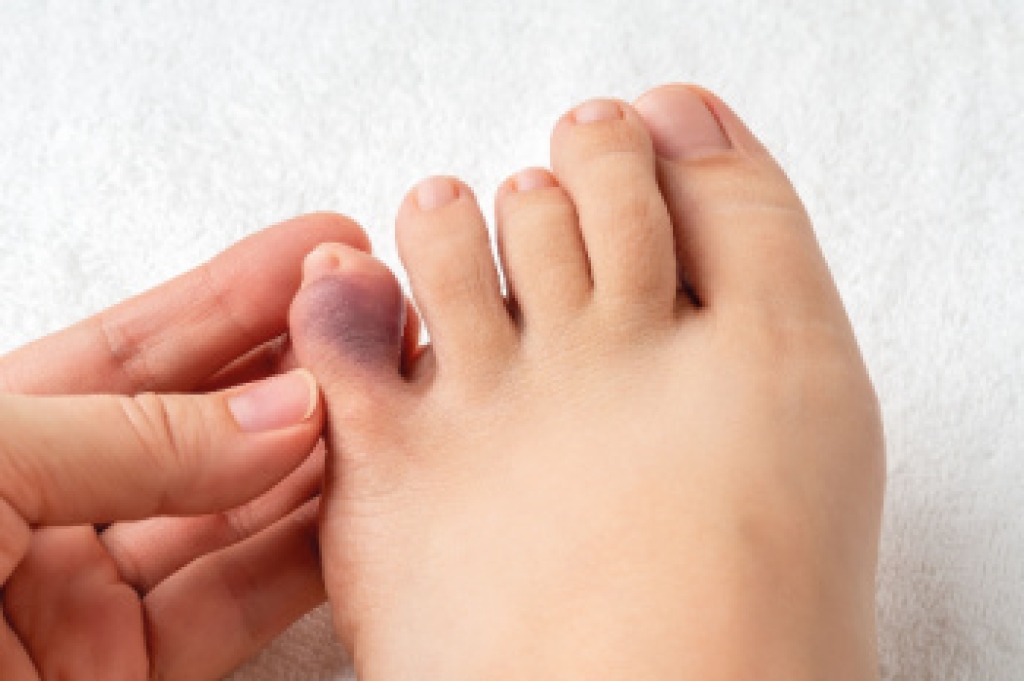
A broken toe is a fracture in one of the small bones of the toe. It can happen after a direct injury, such as stubbing your toe against furniture or dropping something heavy on your foot. A toe fracture can also develop from repetitive stress that gradually cracks the bone. Symptoms may include severe pain, swelling, and difficulty walking. Some fractures cause the toe to look crooked or change shape. Even when the injury seems minor, a broken toe should be evaluated because untreated fractures can heal improperly and affect normal movement.
Several factors can increase the risk of a broken toe. Athletes may be more vulnerable because running and jumping place repeated stress on the feet. People with weak bones may also have a higher fracture risk. Repetitive stress fractures can occur when activity increases too quickly or the foot does not have enough time to recover. Recognizing these risks can help you respond sooner when toe pain develops.
A podiatrist will begin by examining the injured toe and asking how the injury occurred. An X-ray may be used to confirm a fracture and determine its location. A stable fracture may be treated with buddy taping, supportive footwear, and reduced activity. A more serious fracture may require realignment or additional treatment. A podiatrist will monitor healing and provide guidance about protecting the toe while the bone repairs itself. Following these recommendations can reduce complications and support a safe return to normal activity.
Do not ignore severe toe pain, swelling, or difficulty walking after an injury. Prompt care can help identify the problem and prevent improper healing. If repetitive stress is causing discomfort, early evaluation may also help prevent a small crack from becoming a larger fracture. If you have broken a toe, it is suggested that you promptly consult a podiatrist who can accurately diagnose and treat this condition.
A broken toe can be very painful and lead to complications if not properly fixed. If you have any concerns about your feet, contact one of our podiatrists from Complete Foot & Ankle Specialists, LLC. our doctors will treat your foot and ankle needs.
What to Know About a Broken Toe
Although most people try to avoid foot trauma such as banging, stubbing, or dropping heavy objects on their feet, the unfortunate fact is that it is a common occurrence. Given the fact that toes are positioned in front of the feet, they typically sustain the brunt of such trauma. When trauma occurs to a toe, the result can be a painful break (fracture).
Symptoms of a Broken Toe
Throbbing pain
Swelling
Bruising on the skin and toenail
The inability to move the toe
Toe appears crooked or disfigured
Tingling or numbness in the toe
Generally, it is best to stay off of the injured toe with the affected foot elevated.
Severe toe fractures may be treated with a splint, cast, and in some cases, minor surgery. Due to its position and the pressure it endures with daily activity, future complications can occur if the big toe is not properly treated.
If you have any questions, please feel free to contact our offices located in Bellefontaine, OHand Springfield, OH. We offer the newest diagnostic and treatment technologies for all your foot care needs.
The Achilles tendon is a strong band of tissue that connects the calf muscles to the heel bone. It helps the foot push off the ground when walking, running, or jumping. An injury can range from irritation caused by repeated strain to a partial or complete tear. Symptoms include pain near the back of the heel, swelling, and stiffness. An Achilles tendon tear can cause a popping sensation and weakness. Some patients feel as though they were kicked in the calf. They may have trouble bearing weight, pushing off the injured foot, or standing on their toes.
Achilles tendon injuries can occur when the tendon is placed under sudden or repeated stress. Running, jumping, and quickly changing direction can raise the risk. A missed step or fall can also cause a tear. Risk factors include tight calf muscles, a previous Achilles tendon injury, and a sudden increase in activity. Pain that appears gradually can signal inflammation or minor tendon damage. Sudden pain with a pop, loss of strength, or difficulty walking can point to a more serious tear and requires immediate help.
A podiatrist typically asks how the injury happened and examines the back of the ankle for pain, swelling, and weakness. The examination also checks ankle movement and the tendon’s ability to support a push-off motion. Ultrasound or MRI imaging may be ordered to confirm whether the tendon is irritated, partly torn, or completely torn. Treatment depends on the location and severity of the damage. A podiatrist can protect the tendon with a cast, brace, or walking boot while it heals. Follow-up visits allow the podiatrist to monitor healing and guide a safe return to activity. If you have an Achilles tendon injury, it is suggested that you schedule an appointment with a podiatrist for effective relief and treatment solutions.
Achilles tendon injuries need immediate attention to avoid future complications. If you have any concerns, contact one of our podiatrists of Complete Foot & Ankle Specialists, LLC. our doctors can provide the care you need to keep you pain-free and on your feet.
What Is the Achilles Tendon?
The Achilles tendon is a tendon that connects the lower leg muscles and calf to the heel of the foot. It is the strongest tendon in the human body and is essential for making movement possible. Because this tendon is such an integral part of the body, any injuries to it can create immense difficulties and should immediately be presented to a doctor.
What Are the Symptoms of an Achilles Tendon Injury?
There are various types of injuries that can affect the Achilles tendon. The two most common injuries are Achilles tendinitis and ruptures of the tendon.
Achilles Tendinitis Symptoms
Inflammation
Dull to severe pain
Increased blood flow to the tendon
Thickening of the tendon
Rupture Symptoms
Extreme pain and swelling in the foot
Total immobility
Treatment and Prevention
Achilles tendon injuries are diagnosed by a thorough physical evaluation, which can include an MRI. Treatment involves rest, physical therapy, and in some cases, surgery. However, various preventative measures can be taken to avoid these injuries, such as:
Thorough stretching of the tendon before and after exercise
Strengthening exercises like calf raises, squats, leg curls, leg extensions, leg raises, lunges, and leg presses
If you have any questions please feel free to contact our offices located in Bellefontaine, OHand Springfield, OH. We offer the newest diagnostic tools and technology to treat your foot and ankle needs.